Skip to content
Innovation POD · Kafka

Kafka POD: move, build or harden Kafka in about 12 weeks

A small, senior team of Kafka engineers working inside your environment on Confluent Cloud or Platform, Amazon MSK, Redpanda or Apache Kafka. One agreed outcome — a migration cut over, a shared platform run as code, or pipelines in production — shown in weekly demos and handed to your team with runbooks.

Who it is for

For teams whose Kafka has outgrown how it is run

Three situations we are asked into most often. Most Kafka PODs start from one and touch the other two.

Moving to a new Kafka platform

Self-managed Apache Kafka, Cloudera or Amazon MSK moving to Confluent, or between clouds — done one pipeline at a time rather than over a big-bang weekend.

Running one cluster for many teams

Topics created by ticket, ACLs nobody can explain, quotas that do not exist and an on-call rota that dreads the next rebalance.

Building new pipelines on streams

CDC out of operational databases, event-driven services or real-time context for AI agents, with topics, keys and schemas designed right the first time.

Signs it is time

  • Consumer lag pages someone every week
  • Nobody can say who owns half the topics
  • A migration has been “next quarter” for a year
  • Partition counts chosen by habit; cost grows faster than traffic
  • Shared credentials and no deny-by-default
  • A DR plan that has never been rehearsed
Outcomes

What is true at the end of the POD

Agreed in week 1 as one outcome statement, then demonstrated every week until it is.

  1. A target platform your team signed off

    Topology, tenancy, sizing, retention and DR choices written down with the reasons, so the next decision has a starting point.

  2. Workloads moved or built, with evidence

    Pipelines cut over or delivered with validation at every step and a rollback path that was actually tested.

  3. The platform as code

    Topics, ACLs, quotas, schemas and connectors defined in Git and applied by a pipeline, not by hand in a console.

  4. Security that is enforced

    TLS everywhere, authentication per application, least-privilege ACLs or RBAC, schema compatibility rules and an audit trail.

  5. Alerts that page for the right reasons

    A starter alert set, consumer lag objectives, dashboards and the runbooks each alert links to.

  6. A team that runs it

    Paired delivery from week 2, handover sessions and runbooks; an optional managed tier if you want us on call for a while.

Week by week

What the team delivers, week by week

The same four phases as every Innovation POD, filled with Kafka work.

Week 1

Discovery

What the POD does
  • Agree the outcome — migration, platform or pipelines — and how success is measured
  • Inventory clusters, topics, clients and connectors
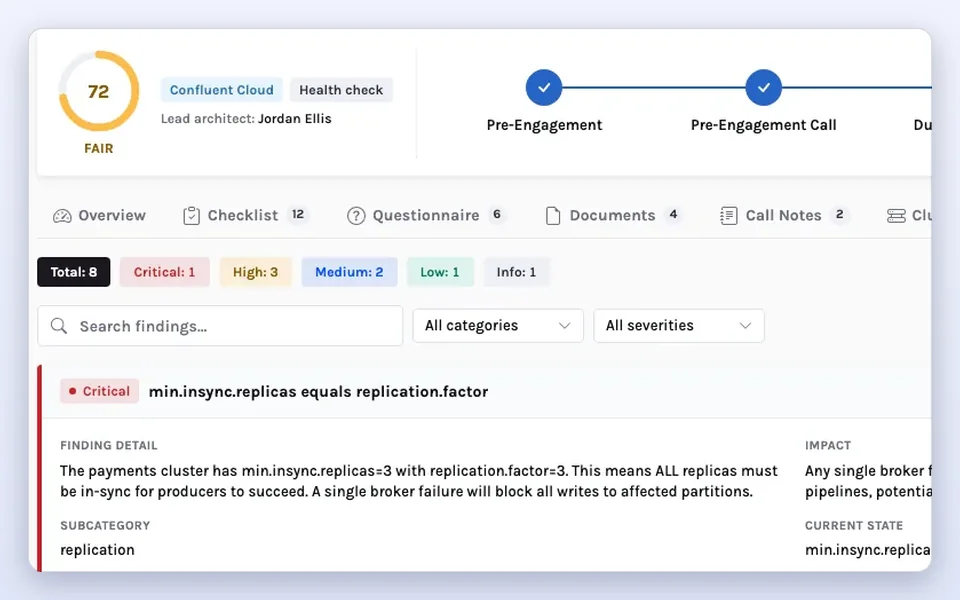
  • Run an InsightKafka health check on the current cluster
What you have at the end
  • Outcome statement and scope
  • Health-check findings, ranked
  • A fixed proposal naming the POD team
Weeks 2–4

Foundation

What the POD does
  • Assess the twelve areas: requirements, infrastructure, governance, operations, security, data architecture, integration, applications, compliance, FinOps and runbooks
  • Design the target topology and size it from measured throughput
  • Stand up the platform as code and send a first topic end to end
What you have at the end
  • Target architecture and migration wave plan
  • Infrastructure-as-code repository and CI pipeline
  • Security and tenancy model
Weeks 5–10

Build & migrate

What the POD does
  • Replicate data, schemas and consumer offsets with Cluster Linking, MirrorMaker 2 or Replicator
  • Move pipelines in waves, consumers first, validating at every step
  • Build connectors, CDC and stream processing; demo every week
What you have at the end
  • Pipelines cut over or delivered, each with a validation record
  • Alert set, dashboards and lag objectives
  • A rollback plan per wave
Weeks 11–12

Production & handover

What the POD does
  • Run the last waves and plan the source decommission
  • Rehearse failover and failback
  • Game day and paired on-call with your engineers
What you have at the end
  • Runbooks for every alert
  • DR rehearsal report
  • Handover sessions; optional managed tier

Every week: a demo of working software against the outcome metric. Every two weeks: a steering review. No status decks.

Reference architecture

A governed Kafka platform, end to end

The shape most Kafka PODs leave behind. The platform in the middle can be Confluent, Amazon MSK, Redpanda or Apache Kafka; the controls along the bottom are the same.

Sources

Operational databasesCDC through Kafka Connect
Applications & servicesProducers with idempotence on
SaaS & filesSource connectors
Devices & logsAgents and gateways

Kafka platform

Kafka ConnectSource and sink connectors
Schema RegistryCompatibility rules per subject
Kafka clusterTopics by domain · keys · retention · replication
Stream processingFlink or Kafka Streams
ReplicationCluster Linking or MirrorMaker 2

Consumers

MicroservicesConsumer groups with lag objectives
Lakehouse & warehouseDelta, Iceberg or Snowflake
Search, caches & APIsSink connectors
AI agentsReal-time context
Governance & operations
  • Topics, ACLs and quotas as code
  • TLS and SASL, OAuth or mTLS
  • Schema compatibility
  • Lag objectives and alerting
  • DR runbooks
  • InsightKafka health checks
Reference architecture for a Kafka POD: sources feed a governed Kafka platform through Connect and producers; stream processing and replication sit beside the cluster; consumers read through consumer groups; tenancy, security, schemas and monitoring are enforced as code.

Migrate one pipeline at a time

Replicate first, move consumers, then producers, and validate each step. How we cut over.

Tenancy by naming

Prefixed topic names, prefixed ACLs and quotas give each team its own space on a shared cluster. A worked example.

Size from measurements

Partitions, retention and brokers are sized from measured peak throughput, not habit. The partition tax.

Typical use cases

What Kafka PODs are asked to do

Migration to Confluent

Apache Kafka, Cloudera or Amazon MSK to Confluent Cloud or Platform, starting with the twelve-area assessment.

A shared platform run as code

Many teams on one platform with naming, prefixed ACLs, quotas and a GitOps pipeline. Worked example.

CDC out of core systems

Change data capture from operational databases and mainframes into events. DB2 offload.

Real-time context for AI agents

Streams, Flink and MCP so agents act on the current state of the business. Read more.

Disaster recovery

RPO and RTO per data class, replication, offset handling and rehearsed failback. Kafka DR.

Cost and health

Partition right-sizing, retention classes, network and client tuning. Right-sizing.

What the POD brings

Products the Kafka POD starts from

Our own InsightLake products, deployed in your environment where they shorten the path. You are not required to keep them.

Kafka health checks

InsightKafka

AI-powered Kafka health checks with automated cluster assessment and optimization.

  • Runs against Confluent and Redpanda clusters
  • Findings and scores across configuration, replication and clients
  • A report the platform owner can act on
Data catalog

InsightDataCatalog

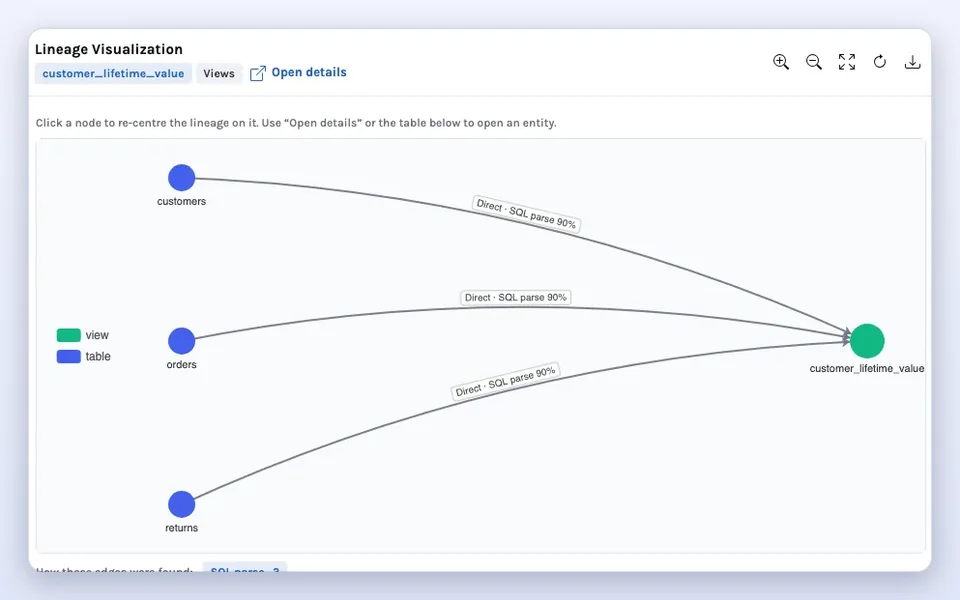
Enterprise AI data catalog for metadata search across databases, streams, workflows and BI.

  • Search topics, tables, workflows and dashboards in one place
  • Lineage from source tables to the views built on them
  • Ownership and descriptions where people look for them
Workflow engine

InsightDataFlow

Low-code and no-code workflow engine for agents, data, ML and AI pipelines across clouds.

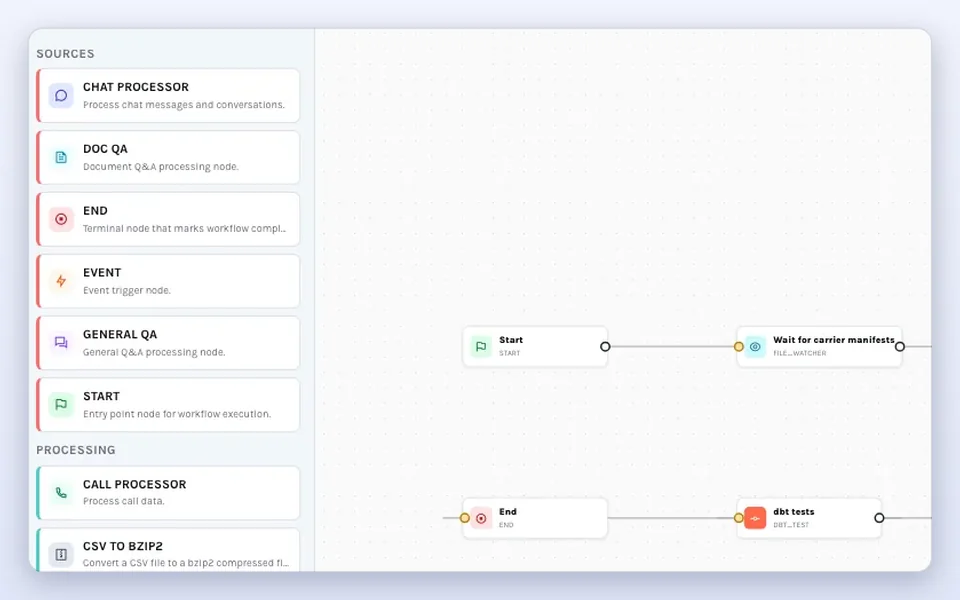
  • A visual designer with source and processing nodes
  • Pipelines for data, ML and agent workflows
  • Runs across AWS, Azure and Google Cloud
Proof and reading

Streaming work and field guides

Case studies from streaming engagements, and the guides the Kafka POD works from. More on the Kafka consulting page.

Field guides and worked examples

FAQ

Questions about the Kafka POD

Which Kafka platforms does the POD work on?

Confluent Cloud and Confluent Platform, Amazon MSK, Redpanda and Apache Kafka, self-managed on virtual machines or Kubernetes. If the platform is still undecided, the assessment compares them against your compliance needs, operating model and cost.

Can a migration happen without downtime?

Usually, yes, by moving one pipeline at a time: replicate data, schemas and offsets, move the consumers, then the producers, and validate each step before the next. Workloads that depend on ordering across topics or on exactly-once processing need extra care and are planned individually.

The details are in cutting over without a big bang.

How long does the assessment take?

Typically one to six weeks, depending on how many clusters, teams and applications are in scope. Inside a POD it runs during weeks 1 to 4 and ends with the target architecture and the wave plan.

What access do you need?

Read access to cluster configuration and metrics to start, then the access your change process grants for the build. The team works in your accounts, under your change control; nothing is copied out of your environment.

How is this different from the Flink POD?

The Kafka POD owns the platform and how data moves through it. The Flink POD owns the stream processing jobs that run on it. When a project needs both, the two run as one team.

What happens after week 12?

Your team runs the platform with the runbooks and the code. If you prefer, a managed streaming tier keeps us on call, handles upgrades and onboards new use cases.

Start here

Scope a Kafka POD

Tell us about the cluster, where it needs to go and what keeps breaking. We will come back with how we would approach it.

  1. We reply within one business day

    A principal reads your note and comes back with questions, not a brochure.

  2. A 30-minute scoping call

    The outcome, the systems involved, the constraints, and who on your side will own the result.

  3. A one-week discovery

    It ends with an outcome statement, a scope and a fixed proposal naming the POD team.

Prefer email? contact@verticalserve.com. VerticalServe works from Millburn, New Jersey and Pune, India.

Tell us about the outcome

Goes to the same team as the contact page.